
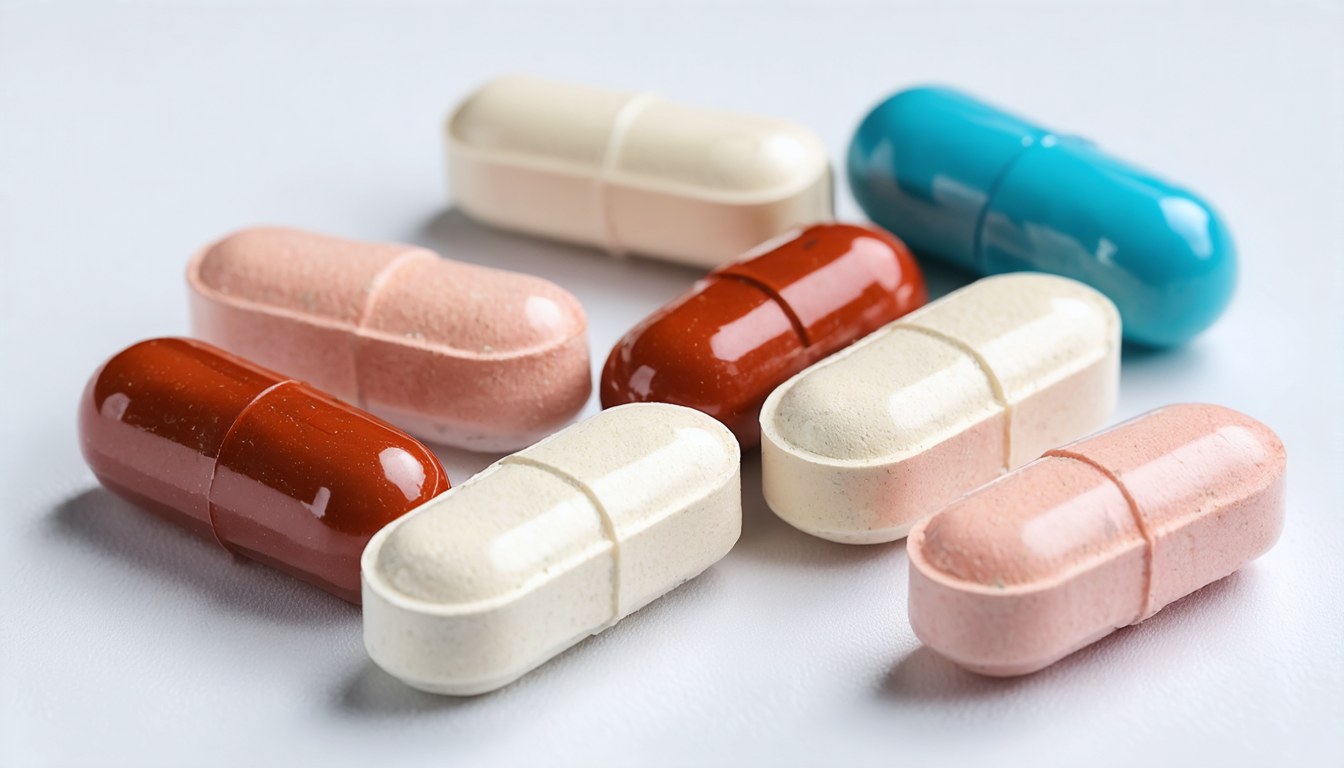
ED pills
Disclaimer: This content is for educational purposes only and does not replace advice from a licensed healthcare professional. Diagnosis and treatment decisions should be made with a qualified clinician.
Basics: what it is
ED pills commonly refers to oral medications used to treat erectile dysfunction (ED)—the persistent difficulty achieving or maintaining an erection sufficient for sexual activity. Most first‑line ED pills belong to a class called phosphodiesterase type 5 (PDE5) inhibitors. They work by enhancing the natural nitric‑oxide pathway that increases blood flow to penile tissue during sexual stimulation. These medicines do not create sexual desire and typically require arousal to be effective.
ED is common and increases with age, but it is not an inevitable part of aging. Causes are often multifactorial, involving vascular health, nerve function, hormones, medications, and psychological factors such as stress or anxiety.
Symptoms and signs
- Difficulty getting an erection: Trouble achieving firmness despite adequate stimulation.
- Difficulty maintaining an erection: Erection fades before or during intercourse.
- Reduced rigidity: Erection occurs but is not firm enough for penetration.
- Situational variability: Better erections during masturbation or sleep than with a partner (may suggest psychological components).
- Associated symptoms: Low libido, fatigue, or mood changes may point to hormonal or mental health contributors.
Similar conditions: how to differentiate
| Condition | Key Features | How it differs from ED |
|---|---|---|
| Low libido | Reduced sexual desire | Desire is low; erections may be normal when aroused |
| Premature ejaculation | Early climax | Erection quality may be normal |
| Peyronie’s disease | Penile curvature, pain | Mechanical issues rather than blood‑flow signaling |
| Performance anxiety | Situational ED | Normal nocturnal/masturbatory erections |
Diagnosis
Clinicians usually start with a thorough history and physical exam. Typical elements include:
- Medical history: Cardiovascular disease, diabetes, hypertension, sleep apnea, neurological conditions.
- Medication review: Some blood pressure drugs, antidepressants, and others can contribute.
- Lifestyle factors: Smoking, alcohol, physical activity, sleep.
- Focused exam: Vascular and neurological assessment.
- Laboratory tests (when indicated): Blood glucose, lipids, testosterone, thyroid function.
What usually helps
Management is individualized and often layered:
- ED pills (PDE5 inhibitors): First‑line for many patients when appropriate; effectiveness and side‑effect profiles vary.
- Lifestyle optimization: Regular exercise, weight management, smoking cessation, moderated alcohol intake.
- Addressing comorbidities: Optimizing blood pressure, glucose, and lipid control.
- Psychological support: Counseling for anxiety, depression, or relationship stress.
- Alternatives when pills aren’t suitable: Vacuum devices, injectable or intraurethral therapies, and in select cases, surgical options—discussed with specialists.
For broader wellness context and general topics, see our uncategorized hub such as General Topics overview and Psychological Wellness basics in ! Без рубрики. Additional reading that connects lifestyle and health behaviors is available via Family and Marital insights and Common Mental Health Issues.
How PDE5 inhibitors work (mechanism)
During arousal, nitric oxide increases cyclic GMP in penile smooth muscle, relaxing vessels and boosting blood flow. PDE5 inhibitors slow the breakdown of cyclic GMP, prolonging this effect.
Timing and expectations
ED pills are not instant aphrodisiacs. Sexual stimulation is required, and response can vary based on food intake, stress, and underlying health.
Safety considerations
They are contraindicated with nitrates and require caution with certain heart conditions. Common side effects include headache and flushing; serious effects are rare but require medical attention.
ED as a cardiovascular signal
ED can precede cardiovascular events. Evaluation may prompt heart‑health screening, benefiting long‑term outcomes.
Hormones and ED
Low testosterone can contribute to symptoms like low libido and fatigue. Testing is targeted; treatment decisions depend on confirmed deficiency and overall risk.
Over‑the‑counter supplements
Many supplements lack robust evidence and may contain undeclared ingredients. Discuss any non‑prescription products with a clinician.
FAQ
Do ED pills cure erectile dysfunction?
They manage symptoms but do not cure underlying causes. Addressing root factors is important.
Are ED pills safe for older adults?
Often yes, when prescribed appropriately. Individual cardiovascular status and medications matter.
Can I take ED pills daily?
Some formulations allow daily use; suitability depends on clinical assessment.
What if ED pills don’t work?
Re‑evaluation of diagnosis, dosing strategy, lifestyle factors, or alternative therapies may help.
Do they affect fertility?
They do not impair sperm production or fertility.
Can psychological factors alone cause ED?
Yes. Stress, anxiety, and relationship issues can be primary drivers or coexist with physical causes.
Is it okay to drink alcohol with ED pills?
Moderation is advised; excess alcohol can reduce effectiveness and increase side effects.
Are generic versions effective?
Regulated generics with the same active ingredient are generally effective when sourced legally.
Sources
- American Urological Association (AUA) — Erectile Dysfunction Guidelines
- European Association of Urology (EAU) — Sexual and Reproductive Health Guidelines
- National Institutes of Health (NIH) — MedlinePlus: Erectile Dysfunction
- U.S. Food and Drug Administration (FDA) — PDE5 Inhibitors Safety Information
- Mayo Clinic — Erectile Dysfunction Overview